Apartment Movers: How to Handle Elevators, Stairs, and Parking
Most apartment moves don’t go sideways because of the couch. They go sideways because no one planned for the elevator schedule, the stairwell turns, or where the truck can legally stop.
Most apartment moves don’t go sideways because of the couch. They go sideways because no one planned for the elevator schedule, the stairwell turns, or where the truck can legally stop.
If you’re hiring apartment movers, these “access” details are the difference between a smooth, on-time move and a day of waiting, overtime, and frustrated neighbors. Below is a practical playbook for handling elevators, stairs, and parking, plus what to tell your movers so they can quote and staff the job accurately.
Why apartment moves are uniquely tricky
Apartments compress a whole move into shared spaces and building rules. Even if your unit is small, logistics can be harder than a larger house move because:
You may have limited move-in and move-out hours.
Elevators can require reservations, padding, and a key fob.
Stairs and tight corners can force disassembly or slow “hand-carry” trips.
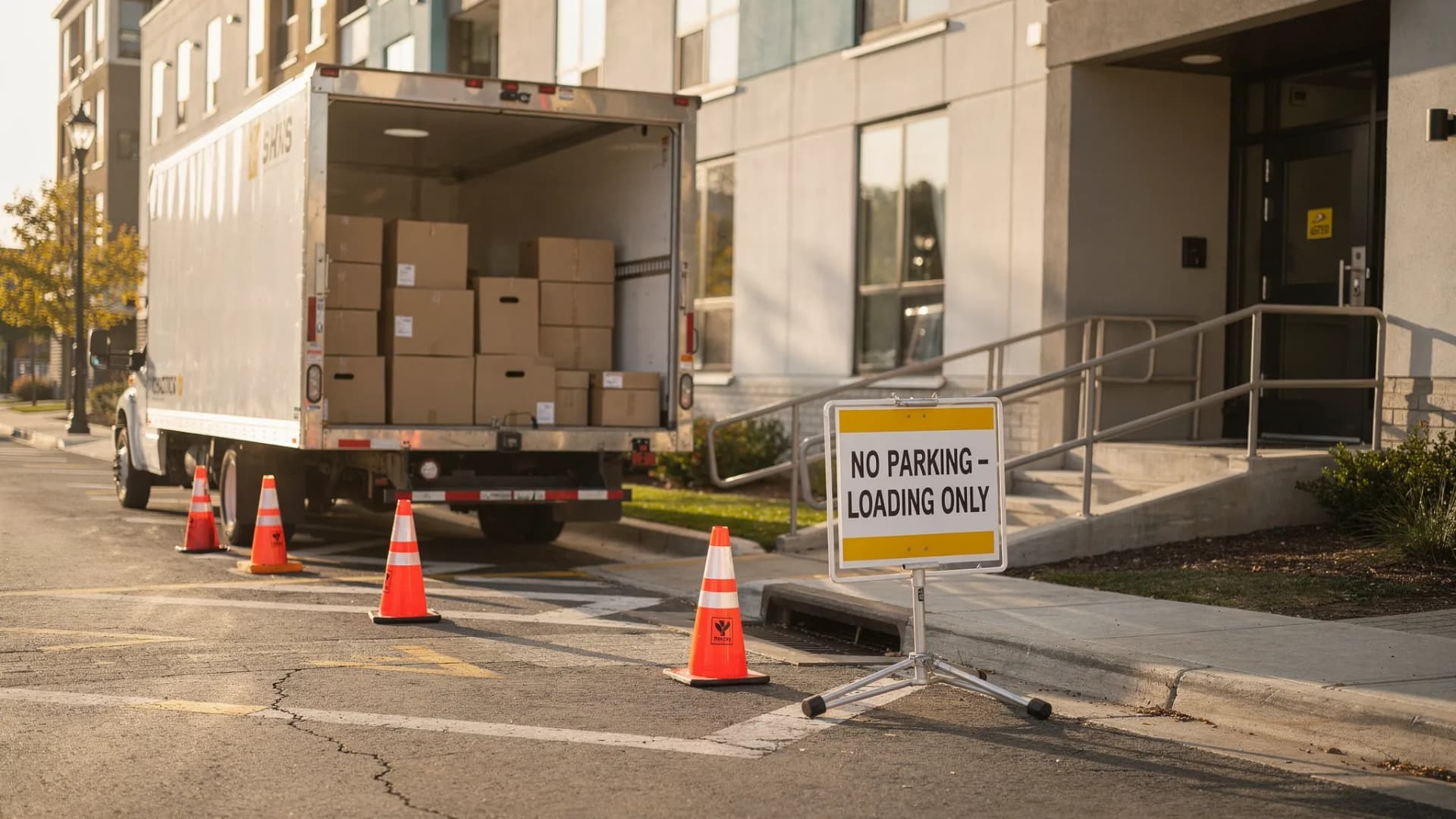
Parking may be metered, permit-only, or restricted by fire lanes and loading zones.
Property managers often require paperwork (like proof of insurance) before allowing a move.
Good movers plan around these constraints. Great results come from you and the movers coordinating early.
Elevators: how to avoid backups, damage claims, and lost time
1) Reserve the elevator (and confirm what “reserved” really means)
Many buildings require you to book a service elevator or reserve a passenger elevator for a time window. Ask your property manager:
Do you have a service elevator, or is it the main elevator?
What are the move windows (weekday vs weekend, morning vs afternoon)?
Is elevator padding provided, or do movers need to bring it?
Is there a loading dock or a designated loading door?
Will you need a staff member to activate “service mode” or provide a key?
Even when you “reserve” an elevator, other residents may still use it. The more you can stage items and load efficiently, the fewer trips you’ll need.
2) Measure and plan for the elevator interior, not just the door
It’s common for furniture to fit through the elevator door but fail inside the cab because it can’t rotate. Before moving day:
Measure elevator door width and height.
Measure the cab depth and width.
Measure your largest items (sofa depth, dresser width, bed frame length).
If something won’t fit, your movers may need to take stairs, disassemble, or (rarely) coordinate a hoist or alternative access. Identifying this early prevents last-minute improvisation.
3) Protect common areas like you’re already being watched
Apartment buildings are strict for a reason: damage to lobbies, elevator doors, and hallway corners is expensive.
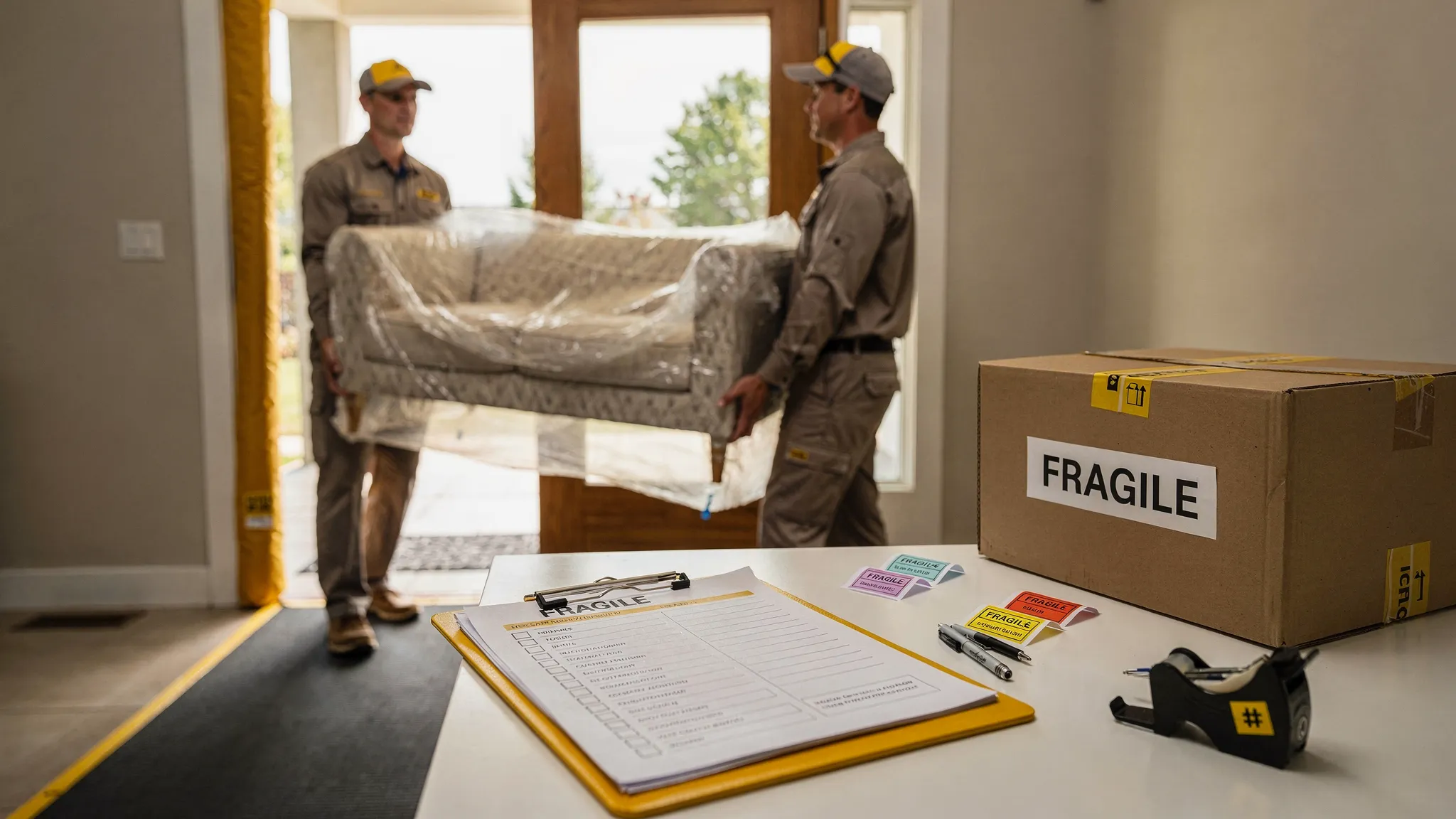
Professional movers typically use pads, stretch wrap, and corner protection. You can help by:
Identifying fresh paint, new flooring, or tight turns that need extra care.
4) Build a simple elevator loading system
If you are packing yourself, design for fast elevator trips:
Use uniform box sizes where possible (stacks better on a dolly).
Label boxes with room names that match the new apartment.
Separate a “Do Not Load” zone for personal essentials.
The goal is fewer elevator cycles and fewer hallway traffic jams.
Stairs: how to handle tight turns, safety, and surprise slowdowns
Stairs aren’t just “more effort.” They change how movers must carry, stack, and protect items. A second-floor walk-up with narrow landings can take significantly longer than a similar apartment with an elevator.
1) Map the stair route like a mover would
Walk the full path from your unit to the truck and note:
How many flights, and are there landings between flights?
Are there tight 90-degree turns?
Are there low ceilings, light fixtures, or sprinkler heads?
Are handrails fixed or removable?
If you’re moving out and moving in, do this for both buildings. The destination stairs often surprise people.
2) Know what items usually cause stair problems
These items frequently slow stair carries or require disassembly:
If you have specialty pieces, tell your movers early so they can plan equipment, staffing, and protection materials.
3) Reduce stair traffic with smart staging
In stair buildings, every extra trip costs time. The biggest win is staging:
Create one staging area near your door (not blocking exits).
Keep the stairwell clear and well-lit.
Pack heavy items into smaller boxes so one person can safely carry them.
If you live in California, also plan for heat and sun exposure on exterior stairs. Hydration breaks and safer pacing beat rushing and risking damage.
4) Understand “accessorial” charges tied to stairs
Some moving estimates include stairs as part of the base labor, and others treat stairs as an access condition that affects time and cost. There’s nothing wrong with either approach as long as it’s transparent.
What matters is this: if you underreport stairs, you increase the chance of delays or a re-rated job because the crew size and time estimate were built on incorrect assumptions.
Parking and loading: the #1 apartment move bottleneck
Even with a great crew, a bad parking setup turns into a “long carry,” meaning movers must walk items farther than expected. That adds time, increases fatigue, and raises damage risk.
1) Identify the legal loading spot early
A “good” spot is:
Close to the building entrance
Legal for the truck’s size and duration
Not blocking a driveway, hydrant, or fire lane
Not under low-clearance trees or wires
Also confirm height clearance if the only nearby option is a garage. Many moving trucks cannot enter standard parking structures.
2) When you may need permits (and who gets them)
Depending on your city and street, you might need:
Temporary no-parking space reservations
Metered parking arrangements
Building loading dock reservations
For example, San Francisco uses Temporary No Parking signs through the SFMTA process (rules and lead time vary). If you’re in LA, curb regulations can differ block by block, and some areas require coordination with local parking enforcement.
If you’re unsure, ask your building manager first, then check your city’s parking authority site. The earlier you handle this, the more likely you’ll get the curb space you need.
3) Plan for “no elevator + no parking” combos
The hardest apartment moves often stack constraints, like a walk-up plus no close parking. If your movers expect a short carry but encounter a long carry, the schedule can shift quickly.
The fix is simple: tell your movers the truth about parking distance.
If the closest legal spot is half a block away, say so.
If street parking is unpredictable at your move time, say so.
If there’s a loading dock but it’s shared, say so.
Quick reference: apartment access issues and how they affect your move
Apartment constraint
What can go wrong
What to do ahead of time
What to tell apartment movers
Elevator reservation
Elevator unavailable, long waits
Book time window, confirm service mode and key access
Reservation time, elevator type, loading entrance
Tight elevator cab
Large furniture won’t fit
Measure cab and largest items, plan disassembly
“Sofa is X inches, elevator cab is Y by Z”
Walk-up stairs
Slow carries, higher damage risk
Clear stairs, stage items, pack heavy items smaller
Number of flights, landings, tight turns
Narrow hallways/turns
Scrapes, stuck furniture
Measure doorways, remove doors if allowed
Narrow points, fragile walls, elevator lobby turns
Limited parking
Long carry, overtime
Reserve curb space or permits when possible
Expected truck spot and distance to entrance
Restricted move hours
Rushed move, rescheduling
Align mover arrival with building window
Allowed hours, quiet hours, weekend rules
A practical coordination checklist (building, movers, and you)
Use this a week or two before the move to prevent last-minute surprises.
Building management
Confirm move-in or move-out hours.
Reserve elevator or loading dock.
Ask whether a Certificate of Insurance (COI) is required.
Ask about disposal rules (boxes, bulk trash, recycling).
Your mover
Share access details: elevator, stairs, parking distance, and any tight turns.
Confirm arrival window and how delays are handled.
Confirm what the crew brings for protection and lifting.
Confirm how specialty items are handled (TVs, mirrors, heavy furniture).
Your apartment prep
Clear a path from rooms to the exit.
Pack and label with destination room names.
Set aside an essentials bag and valuables you will carry personally.
Reserve a spot for “first unload” items at the new place (bed parts, linens, basic kitchen items).
What to ask apartment movers before you book
Apartment moves go best when the mover can explain their plan, not just their price. Ask questions that reveal whether they actually understand access logistics.
Access and building coordination
“Have you handled moves in buildings with elevator reservations and service elevators?”
“If the elevator is out of service, what’s the backup plan?”
“Do you provide COIs if the building requires one?”
Parking and carry distance
“Where do you expect the truck to park, and what happens if that spot isn’t available?”
“Do you anticipate a long carry based on my address and building entrance?”
Time, staffing, and protection
“How many movers will be on the crew for an apartment with stairs?”
“What protection do you use for hallways, door frames, and elevator interiors?”
The best apartment movers will treat these questions as normal, because they plan for them every day.
Budgeting for apartment logistics (without guessing)
Elevator reservations, parking permits, and access challenges don’t just affect time, they affect your total moving spend. Even if your mover has transparent pricing, you still may have building fees, permit costs, supplies, and small “move-in day” purchases that add up fast.
A simple approach is to track the move as a mini project budget with categories like permits, supplies, mover payment, deposits, cleaning, and new-home basics. If you want one place to organize those costs, a free budgeting tool like the MoneyPatrol expense tracker and budgeting app can make it easier to see what you’ve spent and what’s still coming before you get surprised by the total.
When professional packing helps most in apartments
Apartments have tight staging space, shared hallways, and strict rules about blocking common areas. Professional packing can help when:
You can’t build neat “stacks” without cluttering the unit.
You’re on an upper floor and want fewer trips.
You have fragile items that could be damaged in a narrow stairwell.
You need the move done fast within a short building time window.
Zapt Movers offers residential moving and professional packing, plus specialty item handling and storage options, which can be especially helpful when apartment timing and access are complicated. If you want a smoother move, start by giving your building details up front so the plan matches reality.
A smoother apartment move starts with accurate access details
Elevators, stairs, and parking are not small details. They are the move.
If you’re comparing apartment movers, choose a team that asks the right questions, gives upfront, honest scope, and shows up prepared with the right equipment and protection.
When you’re ready, you can learn more about Zapt Movers and request a quote with your building logistics included so moving day stays on schedule.
Let’s Make Your Next Move Effortless and Worry-Free
Get a free, no-obligation moving quote in under 60 seconds. Our team is available 7 days a week to answer your questions and help you plan the perfect move. Call us, fill out our form, or book online — we’ll take it from there.
Let’s Make Your Next Move Effortless and Worry-Free
Get a free, no-obligation moving quote in under 60 seconds. Our team is available 7 days a week to answer your questions and help you plan the perfect move. Call us, fill out our form, or book online — we’ll take it from there.
Let’s Make Your Next Move Effortless and Worry-Free
Get a free, no-obligation moving quote in under 60 seconds. Our team is available 7 days a week to answer your questions and help you plan the perfect move. Call us, fill out our form, or book online — we’ll take it from there.