Local Moving Company Near Me: Questions to Ask Before Booking
When you search “local moving company near me”, you’re usually not looking for a dissertation. You want a crew that shows up on time, protects your home, and charges what they quoted.
When you search “local moving company near me”, you’re usually not looking for a dissertation. You want a crew that shows up on time, protects your home, and charges what they quoted.
The fastest way to separate reliable movers from “sounds good on the phone” movers is to ask a short set of specific questions, then listen for clear, documented answers. This guide gives you those questions, plus what a trustworthy answer should include.
First, prep 60 seconds of details (so quotes are actually comparable)
Before you call or request an estimate, jot down the basics. Movers can only price accurately when the scope is clear.
Addresses (origin and destination) and any stairs, elevators, or long walks from truck to door
Move date flexibility (even a 2 to 3 day window helps)
Home size and approximate inventory (or photos/video for a virtual walkthrough)
Services you want (labor only, truck plus labor, packing, storage)
Specialty items (piano, safe, large mirror, fragile art, oversized sectional)
That’s enough to start a real conversation without oversharing personal information.
Questions that verify the mover is legitimate (and actually accountable)
“Are you a carrier, or a broker?”
You want the company that will physically do the move, not a middleman that sells your job to someone else.
Good signs: They clearly state they are the carrier, identify their fleet/crew, and put their company name on the paperwork.
Follow-up: “What name will appear on the truck and the contract?” The answer should match their website and reviews.
“What licenses do you operate under for my type of move?”
Licensing depends on whether your move is in-state or across state lines.
Interstate moves: Legit movers have a USDOT number, and you can verify it through the FMCSA’s Protect Your Move resources.
Within California: Household goods movers are regulated by the California Public Utilities Commission, and consumers can review guidance and tools on the CPUC household goods moving page.
Good signs: They volunteer the correct license type for your move and don’t dodge verification.
“Are you licensed and insured, and what does that include?”
“Insured” can mean different policies. A reputable mover can explain the difference between:
If the rep can’t explain any of this, that’s a risk. If they explain it clearly and offer documentation, that’s a green flag.
Questions that prevent pricing surprises
Most moving disputes happen because the quote and the real scope didn’t match, or because fees were never explained. Ask these questions before you book.
“Is your estimate binding, non-binding, or not-to-exceed?”
Even for local moves, you should understand whether the price can change and under what conditions.
Good signs: They put the estimate type in writing and list assumptions (for example, “no elevator outage,” “customer packed,” “no additional stops”).
“What exactly is included in the rate?”
Ask them to define it in plain English:
Labor and truck
Basic protection (pads, stretch wrap, tape usage)
Disassembly and reassembly (what items, what’s excluded)
Travel time rules (from where to where)
Good signs: Clear inclusions and exclusions, no vague “it depends” without details.
“What fees are common on local moves, and what triggers them?”
You’re not accusing them of hidden fees. You’re asking them to map the fee triggers.
Common triggers include stairs, long-carry distance, shuttle needs (truck can’t park close), bulky items, or packing material usage. A transparent mover explains these calmly and puts them on the written quote if they are likely.
“What deposit is required, and when is final payment due?”
Reliable companies will be direct about deposits and payment methods.
Red flags: Cash-only policies, large upfront deposits without a written estimate, or pressure to pay immediately to “hold your spot.”
The documentation question set (your best shortcut)
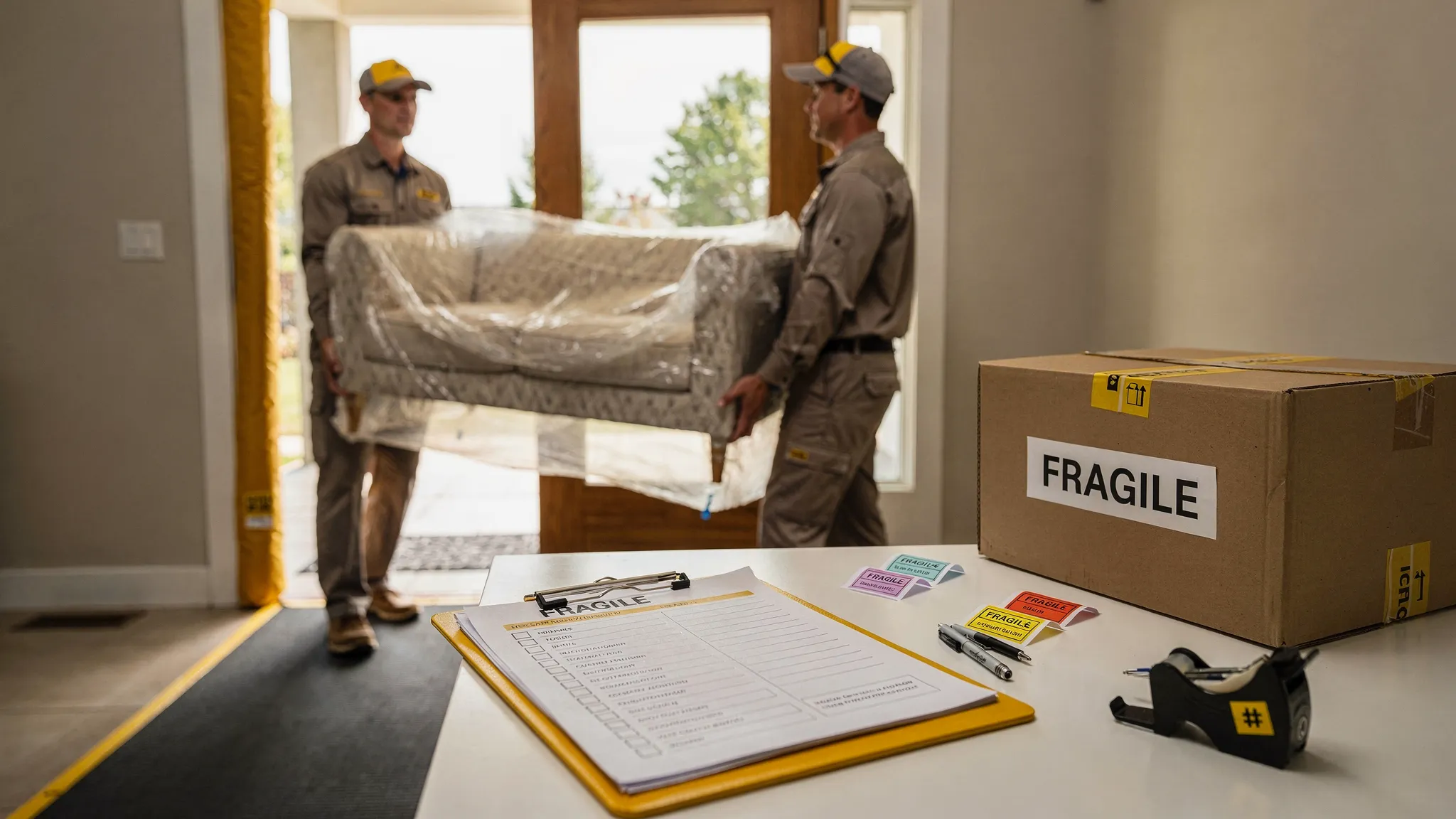
A great way to vet any local mover is to ask what they’ll provide in writing, and when. Use this table as a quick reference.
Question to ask
Why it matters
What to request in writing
“Can you send the estimate with line-item details?”
Stops misunderstandings and makes comparisons fair
Itemized written estimate and scope assumptions
“What valuation or protection options do you offer?”
Defines your financial protection if something breaks
Valuation selection on paperwork (not just verbal)
“Who is responsible for building requirements like COIs?”
Avoids day-of delays at apartments/HOAs
Confirmation of COI process and lead time
“What is your claims process and timeline?”
Sets expectations if damage occurs
Claims instructions and time limits
“What is your cancellation or reschedule policy?”
Protects you if plans change
Fee schedule and deadlines
If a mover resists putting basics in writing, treat that as your answer.
Questions that test professionalism on moving day
Even a properly licensed company can run a sloppy operation. These questions reveal how the team actually works.
“Will you use employees or subcontractors for my move?”
This matters for consistency, accountability, and sometimes insurance coverage.
Good signs: They answer directly, and they can explain how crews are trained and supervised.
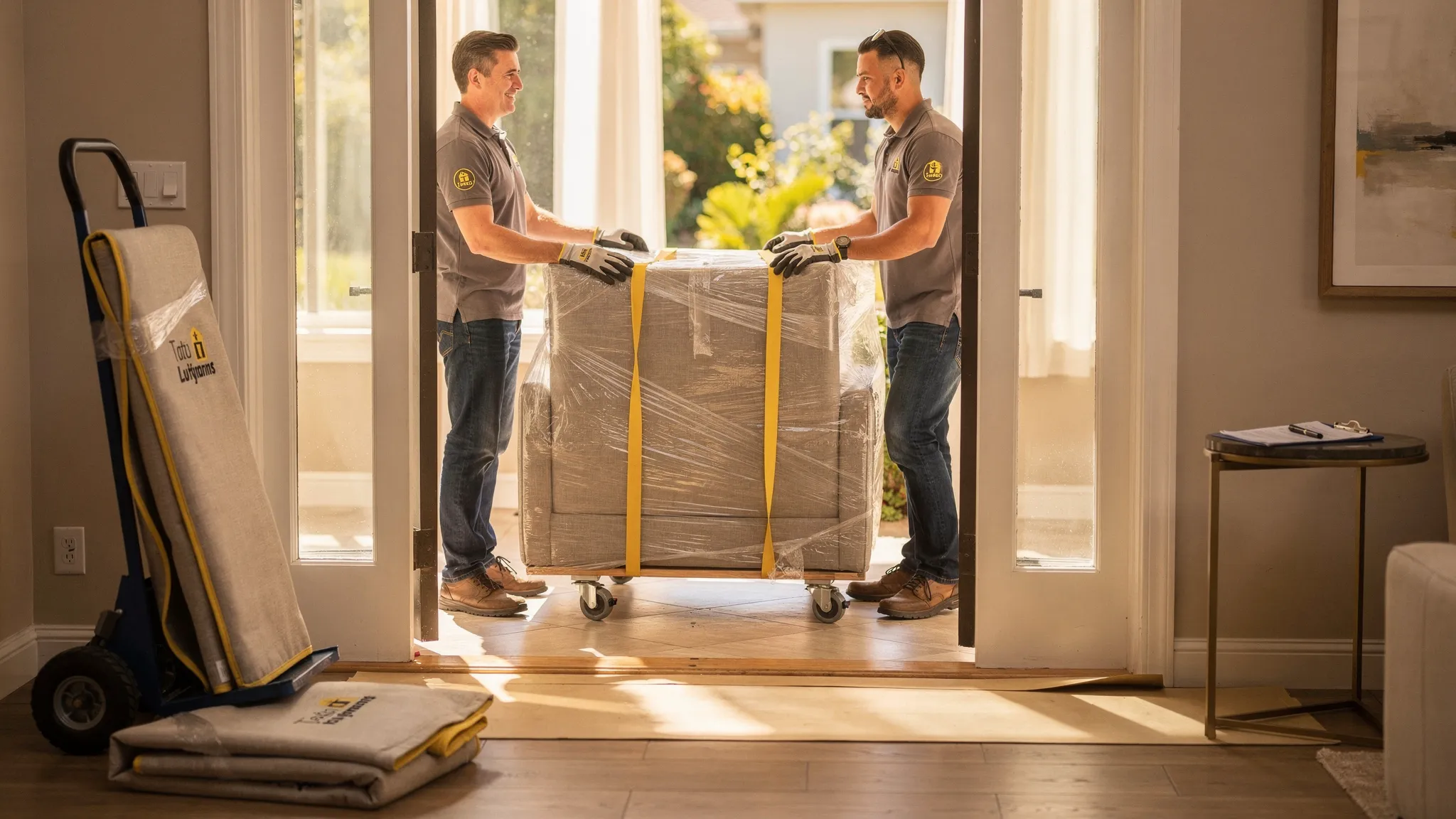
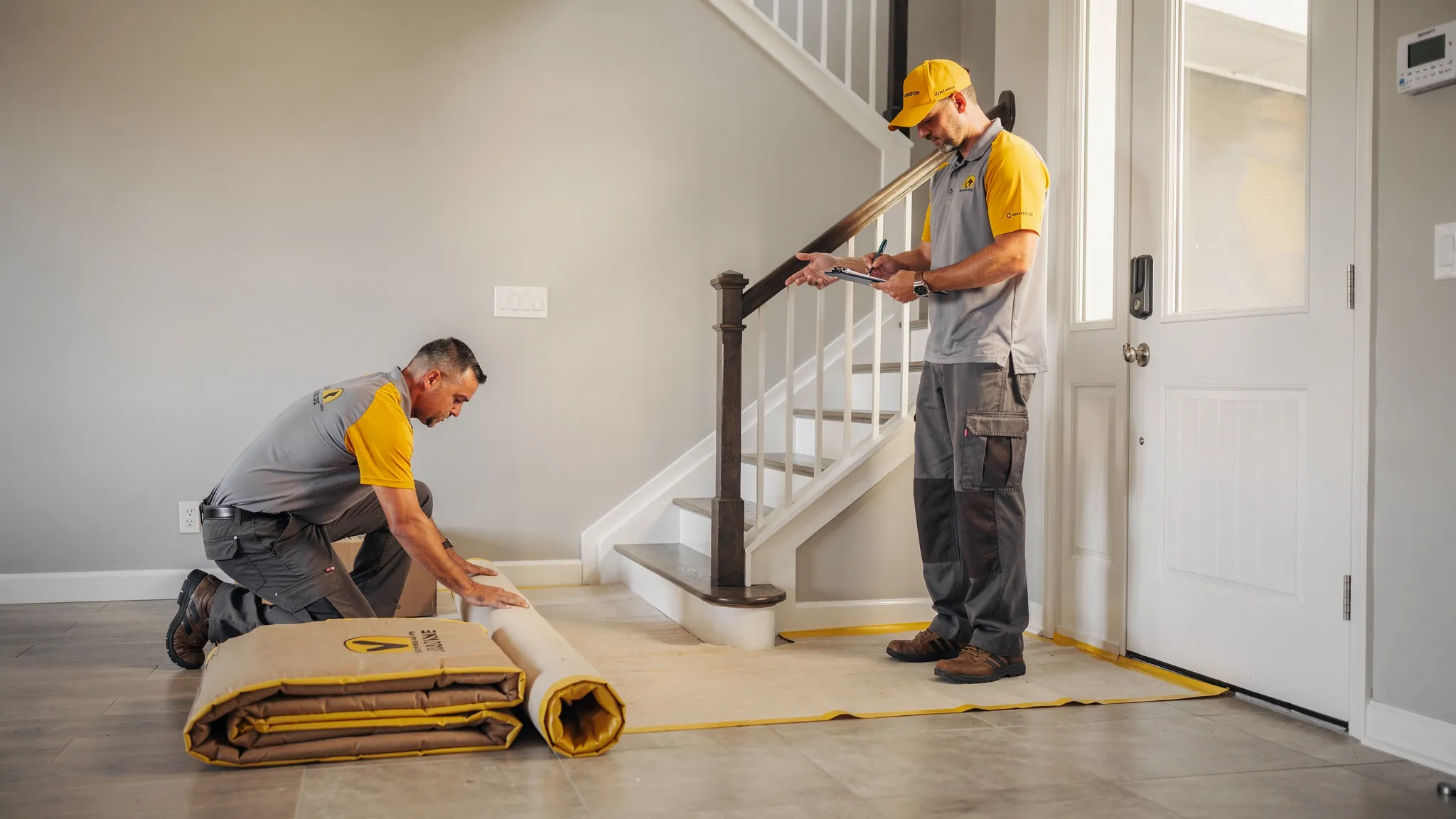
“How will you protect floors, walls, and doorways?”
Listen for specifics, not buzzwords.
Good signs: They mention walkthroughs, furniture padding, corner protection when needed, and a plan for tight hallways or elevator moves.
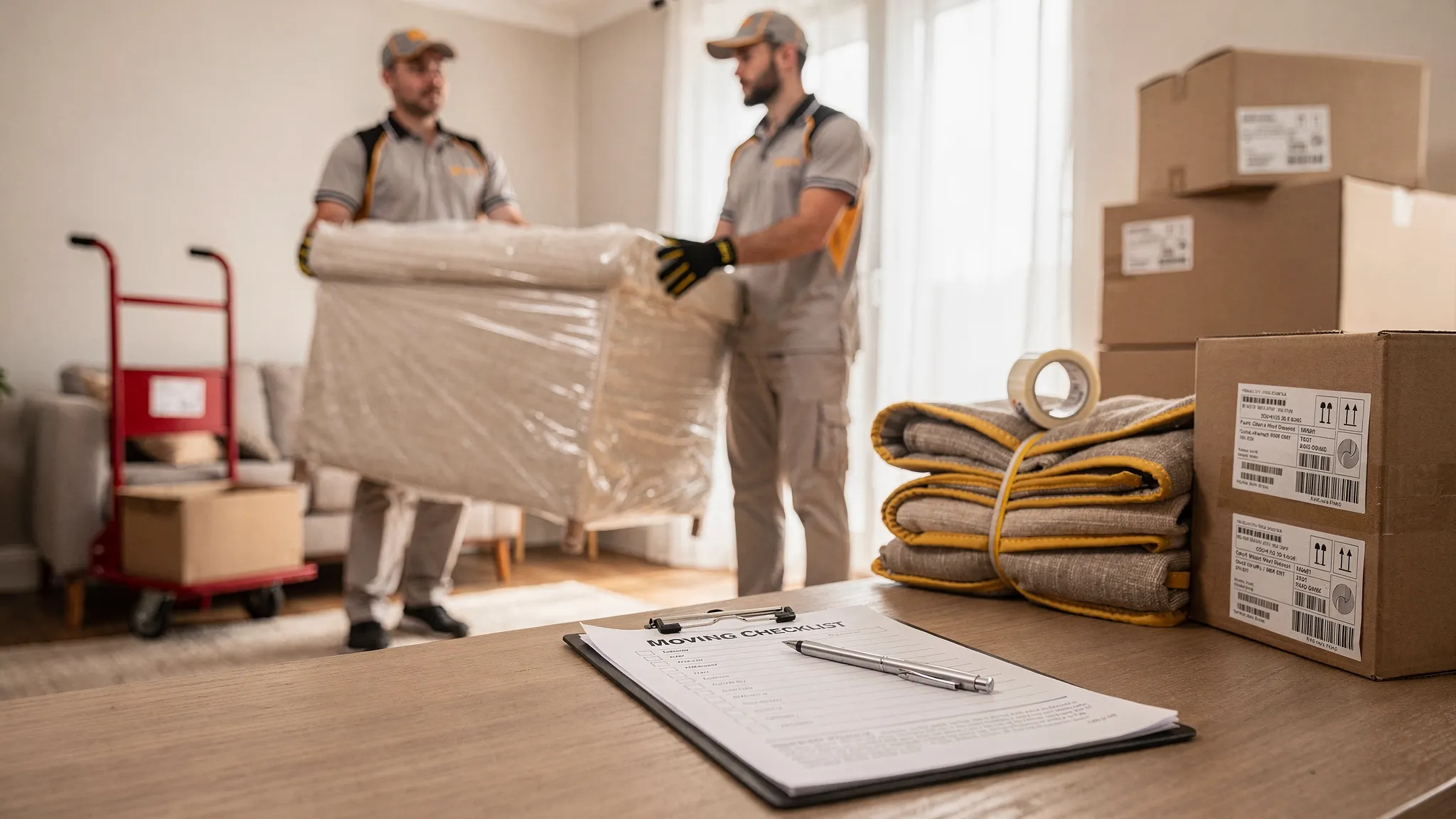
“What equipment will your crew bring for heavy or awkward items?”
A capable crew should routinely use the right tools (dollies/hand trucks, straps, ramps, furniture sliders). If you have specialty items, ask how they handle those items specifically.
“What happens if the job runs longer than expected?”
For hourly moves, you’re clarifying overtime policy. For flat-rate moves, you’re clarifying what changes the price.
Good signs: They explain how time is tracked and how scope changes are handled (for example, adding stops or additional large items).
Questions about timing, logistics, and building rules (where local moves go wrong)
Local moves often derail due to parking, elevator reservations, and building paperwork, especially in dense California neighborhoods.
“What is the arrival window, and how do you communicate delays?”
You want a real arrival window (not “sometime between 8 and 5”) and a process for updates.
“Do you handle COIs for my building, and how far in advance do you need?”
Many apartments and commercial buildings require a Certificate of Insurance (COI) naming the building as an additional insured.
Good signs: They’ve handled this before, and they give you a realistic lead time.
“Can your truck legally park at both addresses, and what do you need from me?”
This is where an experienced local moving company shines. A good mover will ask about:
Street parking and loading zones
Permit requirements
Narrow streets or height restrictions
The distance from curb to door
If parking will be tough, it’s better to know now than to pay for a surprise shuttle plan later.
Questions about damage, claims, and valuation (don’t skip this)
Most people only think about damage coverage after something breaks. Ask now, while you still have leverage to choose.
“What valuation is included by default, and what upgrades are available?”
Movers typically offer basic valuation and optional increased protection. The exact options vary by move type and provider.
Good signs: They explain your options clearly, tell you how to declare high-value items, and provide the selection in writing.
“How do you document pre-existing damage and condition?”
Professional movers often do a walkthrough and note condition (scratches, dents) on paperwork.
Good signs: They have a standard process and encourage you to take photos before loading.
“If something is damaged, how do I file a claim and how long does it take?”
A reputable mover won’t pretend damage never happens. They’ll explain how to report issues, what documentation is needed, and the timeline.
Questions tailored to special move types
If you need packing help
Ask: “Is packing charged hourly, per box, or flat-rate, and are materials included?” Packing is a major scope driver, and it’s easy for quotes to drift if it’s not defined.
If you may need storage
Ask: “Is storage in your facility, what are access rules, and how is my inventory tracked?” Also confirm protection options while items are stored.
If you’re moving a small business, inventory, or a stockroom
Ask: “Can you do a phased move to reduce downtime, and how will you label and stage inventory?”
This is especially important for businesses that handle high-SKU or fragile goods. For example, if you collaborate with an apparel development and manufacturing partner and you’re relocating samples, packaging, or a small fulfillment area, you want a mover who can keep items organized by category and destination zone rather than piling boxes randomly.
Red flags you can spot from the answers alone
You don’t need to be an expert to hear trouble coming. Be cautious if you notice:
Refusal to provide license numbers or written estimates
Vague pricing like “around $X” with no stated assumptions
Confusion about valuation/claims, or “don’t worry about it” language
Unclear identity (the business name on the contract differs from the name you searched)
A trustworthy local mover may not be the cheapest quote, but they should be the easiest to understand.
Frequently Asked Questions
What should I ask a local moving company near me before booking? Ask about licensing, whether they are a carrier or broker, estimate type, what’s included, common fee triggers, valuation options, and claims process, all in writing.
How do I verify a mover is legit in California? Confirm whether your move is in-state or interstate, then verify the appropriate authority. Interstate movers can be checked via FMCSA resources, and California household goods movers fall under CPUC oversight.
Is an hourly quote or flat-rate quote better for a local move? It depends on your scope certainty. Hourly can be fair for small, simple moves, while flat-rate can reduce risk if access is complex, inventory is large, or timing is uncertain. Either way, insist on clear assumptions.
Should I pay a deposit to book movers? Some deposits are normal, especially during peak dates, but you should avoid large upfront payments without a detailed written estimate and clear cancellation terms.
What is “valuation,” and is it the same as insurance? Valuation is the mover’s declared level of liability for your shipment, and it’s not always the same as traditional insurance. Ask what’s included by default and what upgrades are available.
Book with confidence (and get a quote you can trust)
If you’re comparing options for a local moving company near me in California, focus on clarity: written scope, upfront pricing, and a team that can explain licensing, protection, and logistics without dodging.
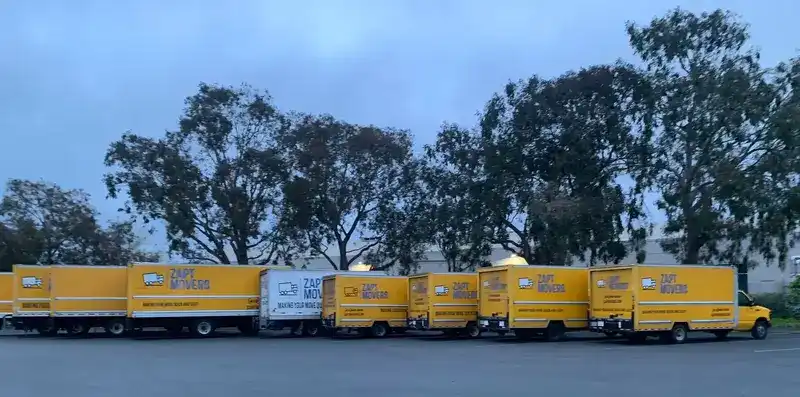
Zapt Movers provides residential and commercial moving, long-distance moving, professional packing, secure storage solutions, and specialty item handling, with upfront honest pricing, flexible payment options, and licensed and insured service.
Get started with a no-pressure estimate from Zapt Movers.
Let’s Make Your Next Move Effortless and Worry-Free
Get a free, no-obligation moving quote in under 60 seconds. Our team is available 7 days a week to answer your questions and help you plan the perfect move. Call us, fill out our form, or book online — we’ll take it from there.
Let’s Make Your Next Move Effortless and Worry-Free
Get a free, no-obligation moving quote in under 60 seconds. Our team is available 7 days a week to answer your questions and help you plan the perfect move. Call us, fill out our form, or book online — we’ll take it from there.
Let’s Make Your Next Move Effortless and Worry-Free
Get a free, no-obligation moving quote in under 60 seconds. Our team is available 7 days a week to answer your questions and help you plan the perfect move. Call us, fill out our form, or book online — we’ll take it from there.