Moving Tips
Moving Company Near Me: 9 Ways to Spot a Reliable Crew
Moving company near me? Learn 9 ways to verify licensing, pricing, insurance, reviews, and move-day professionalism so you can book a reliable crew.

Moving Tips
Moving company near me? Learn 9 ways to verify licensing, pricing, insurance, reviews, and move-day professionalism so you can book a reliable crew.
When you search “moving company near me,” you’re usually not looking for general advice. You’re trying to avoid the two nightmares that derail moves fast: surprise charges and damaged or missing items.
A reliable crew is not just “strong people with a truck.” It’s a licensed carrier with clear paperwork, fair pricing, trained movers, and a process that protects your home and your belongings.
Below are 9 practical ways to spot a reliable moving company before you put down a deposit or sign anything.

A reliable moving company should be able to:
Prove they’re properly licensed for your type of move (local vs interstate)
Explain pricing in writing, including what triggers extra charges
Provide clear coverage options and a real claims process
Show up on time with the right equipment and a consistent crew
Communicate professionally from quote to delivery
If any of those basics are vague, the “near me” convenience isn’t worth the risk.
This is the fastest scam filter.
Interstate moves (crossing state lines): Movers must be registered with the FMCSA and have a USDOT number (often also an MC number). Use the FMCSA’s resources to understand your rights and how registration works via Protect Your Move.
California intrastate moves (within California): Household goods carriers are regulated at the state level. Ask for the company’s California operating authority (many carriers reference a state permit or number) and verify it through the appropriate state regulator.
Good sign: They proactively provide their numbers and tell you exactly where to verify them.
Red flag: “We’re covered” or “don’t worry about that” with no documentation.
Some “moving companies” are brokers or lead generators. They sell your move to another company, and you don’t find out who’s showing up until move day.
Ask directly:
“Are you the motor carrier that will physically perform the move?”
“Will your employees handle loading and driving, or will you subcontract?”
“What is the legal name of the carrier on the contract and bill of lading?”
Good sign: The company name, address, and licensing info match across the estimate, emails, and paperwork.
Red flag: A different business name appears on documents, or they won’t confirm who will show up.
Reliable movers can explain how pricing is built.
A solid estimate typically clarifies:
What’s included (labor, truck, basic protection, fuel, drive time)
What can change the price (stairs, elevators, long carry, bulky items, shuttle service)
How hourly minimums work (if applicable)
Whether packing materials or packing labor are separate
If you want a quick way to collect comparable quotes without getting spammed, see Zapt Movers’ guide on how to get no‑obligation moving quotes in 5 minutes.
Good sign: The estimate lists assumptions and access details (floors, parking distance, inventory).
Red flag: A super low number with no scope, or “we’ll figure it out when we get there.”
Two different topics get mixed up in moving conversations:
Valuation/coverage for your items: For many interstate moves, the default “released value” coverage is commonly described as $0.60 per pound per article, with optional upgrades like full-value protection. Rules can vary by move type and location, so ask for the exact options in writing.
Company insurance: Liability policies (and workers’ comp) matter for business legitimacy, but they are not the same thing as coverage for each item.
Ask:
“What coverage is included by default, and what upgrades are available?”
“What’s the claims timeline and process if something is damaged?”
“Who do I contact, and what documentation do you require?”
Good sign: They can explain coverage without getting defensive, and they provide written terms.
Red flag: “Nothing ever breaks” or “our insurance covers everything” with no paperwork.
A 4.8 rating is meaningless if the recent reviews mention the same issues.
Look for patterns around:
Price changes after loading begins
Late arrivals and no-show communication
Damages and how the company handled them
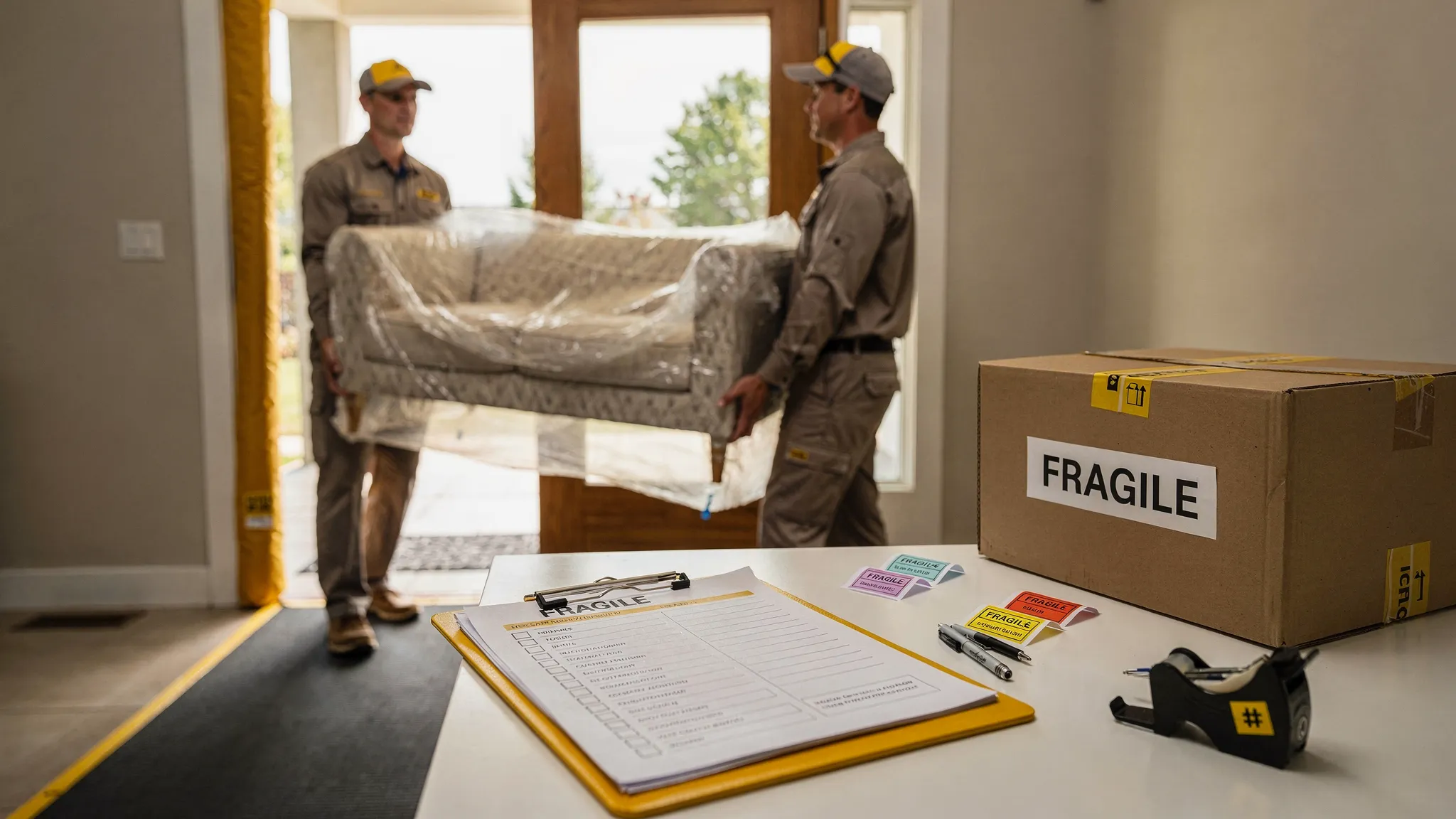
Professionalism (uniforms, floor protection, careful wrapping)
Also check neutral sources such as the Better Business Bureau for complaint patterns and how (or whether) they were resolved.
Good sign: Reviews mention consistent crews, clear pricing, and careful handling.
Red flag: Multiple mentions of “hostage load,” “cash only,” or “final price doubled.”
Moving is a logistics job. The quoting phase shows you what the move will feel like.
Reliable companies tend to:
Ask detailed questions (inventory, access, timing, fragile items)
Confirm everything in writing
Explain next steps clearly
Respond promptly without being pushy
If you’re moving an office or scheduling around building rules, communication matters even more. Some organizations improve consistency by training teams with structured roleplay, for example using AI roleplay training to practice customer interactions and objection handling.
Good sign: Clear, written answers and a calm, organized tone.
Red flag: Pressure tactics like “price only good for the next hour.”
Equipment is a reliability tell because it reflects preparation.
For a typical home move, professional crews usually show up with items like:
Furniture blankets and stretch wrap
Dollies/hand trucks and straps
Tools for basic disassembly (bed frames, table legs)
Door jamb protectors and/or floor runners (especially for nicer finishes)
If you have specialty items (art, antiques, large TVs, safes, treadmills, pianos), ask how they handle them and whether additional materials or crew members are required.
Good sign: They describe how items will be wrapped, loaded, and stabilized in the truck.
Red flag: “We’ll just be careful,” without materials or a plan.
Policies vary, but extreme payment demands are a common problem sign.
Be cautious if a company:
Requires a large upfront deposit before providing clear paperwork
Insists on cash only
Won’t give you a receipt or written payment terms
Also avoid signing blank or incomplete documents. Your paperwork should reflect the scope you discussed.
For more on how surprise charges happen, it helps to understand the hidden costs of moving so you can ask better questions before move day.
Even if the quote process went well, you should confirm a few basics when the crew arrives.
A reliable crew typically:
Arrives within the agreed window and introduces the lead
Walks the home with you to confirm scope and access challenges
Uses a written inventory process or clear labeling system
Protects floors and doorways before heavy items move
Explains the plan for fragile pieces and “do not pack” areas
Red flag: They rush you to sign, start loading before confirming details, or tell you the price is changing immediately.
Use this table as a last-pass filter when comparing a “moving company near me” shortlist.
What you check | Reliable signal | Risky signal |
|---|---|---|
Licensing | Provides numbers and verification steps | Dodges questions or has mismatched names |
Estimate | Written and itemized, with assumptions | Vague flat price with no scope |
Coverage | Explains valuation/claims in writing | “Don’t worry, we’re insured” only |
Reviews | Patterns show consistency and care | Repeated stories of price jumps or damages |
Communication | Clear, prompt, professional | Pushy, evasive, hard to reach |
Equipment | Describes materials and protection plan | Minimal supplies, “we’ll figure it out” |
Payment | Transparent terms, normal methods | Cash-only, big deposits, no receipts |
Move-day process | Walkthrough, protection, inventory | Loads first, details later |
Many disputes come from mismatched expectations. Before move day, send a simple email (or ask for confirmation) that includes:
Addresses, dates, and preferred arrival window
Parking/elevator details and any building rules
A list of specialty items
What is not included (items you will move yourself, items not to pack)
This protects both you and the movers by locking in the assumptions behind the estimate.
How many quotes should I get when searching “moving company near me”? Three is a practical minimum for comparing scope and pricing. More can help if your move is complex (stairs, long carry, specialty items).
What’s the biggest red flag when hiring movers? A company that won’t provide written details. Vague estimates and unclear licensing are the two warning signs most often tied to surprise charges.
Should I choose the cheapest mover? Not automatically. A low quote can be real, but it can also mean missing scope, minimal coverage, or add-on fees. Compare itemized estimates and policies, not just the total.
Do local movers need different licensing than long-distance movers? Often, yes. Interstate moves fall under FMCSA rules, while in-state moves may be regulated differently. Ask which rules apply to your move and how to verify their authority.
How can I reduce the chance of damage? Use a mover that brings proper protection materials, performs a walkthrough, and documents inventory. You can also set aside fragile or high-value items you plan to transport yourself.
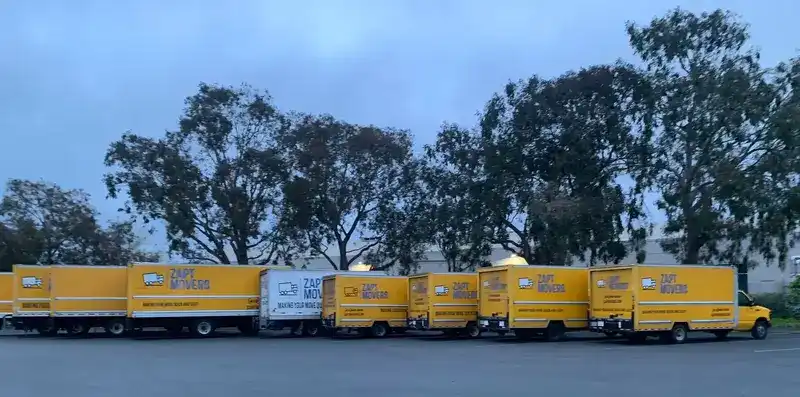
Zapt Movers provides residential and commercial moving, local and long-distance service, professional packing, storage solutions, and specialty item handling with upfront, honest pricing. If you want a clear estimate and a smooth, on-time move, start here: get a free quote from Zapt Movers.