Pack and Move Services: What’s Included and What Costs More
When people search for pack and move services, they usually want one simple thing: a mover who can box up the home, transport it safely, and help get them settled, without surprise line items showing up at the end.
When people search for pack and move services, they usually want one simple thing: a mover who can box up the home, transport it safely, and help get them settled, without surprise line items showing up at the end.
The catch is that “pack and move” can mean very different scopes depending on the company, the type of move (local vs. long-distance), and the level of packing you choose. Below is a clear, buyer-friendly breakdown of what’s commonly included, what often costs extra, and how to read estimates so you can compare quotes accurately.
What “pack and move services” usually include
Most pack and move jobs combine two core labor phases, packing and moving, plus the logistics and protective materials needed to do it safely.
1) Pre-move coordination and a packing plan
Even if it’s not listed as a line item, a real pack-and-move job includes basic coordination, for example confirming dates, access details, parking/loading requirements, and any high-risk items (glass, art, TVs, antiques).
This is where good movers prevent delays that can increase labor time, especially in apartments, tight streets, and buildings with elevator reservations.
2) Packing labor (the time to box and protect your items)
Basic wrapping/cushioning methods for standard fragile items
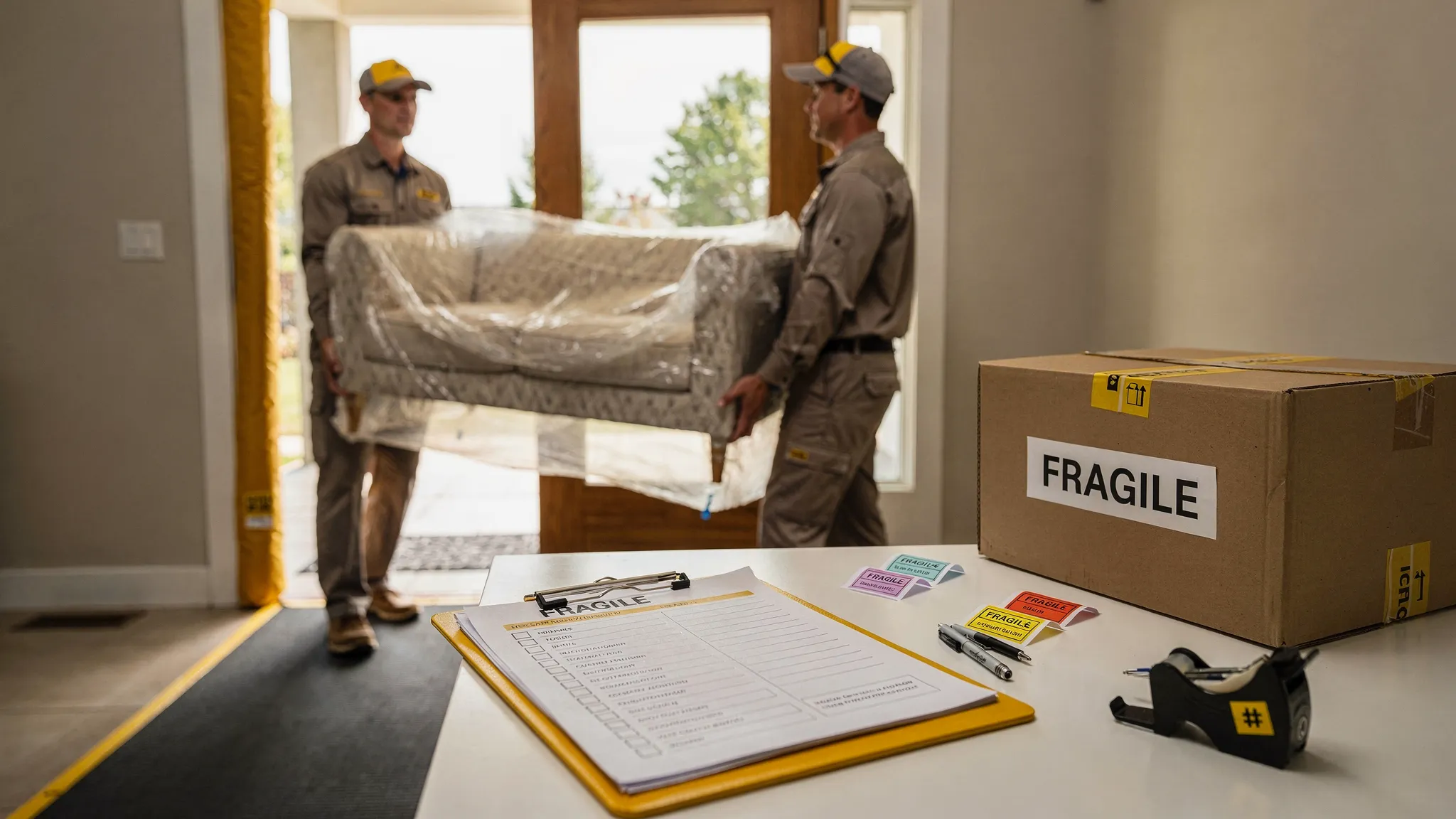
Labeling boxes by room (sometimes also noting key contents)
Some companies offer “full packing,” while others offer “partial packing” (you pack most items, they pack fragile rooms or a few areas). The labor included depends on what you agree to in writing.
3) Moving labor and transportation
Once packed, the move portion typically includes:
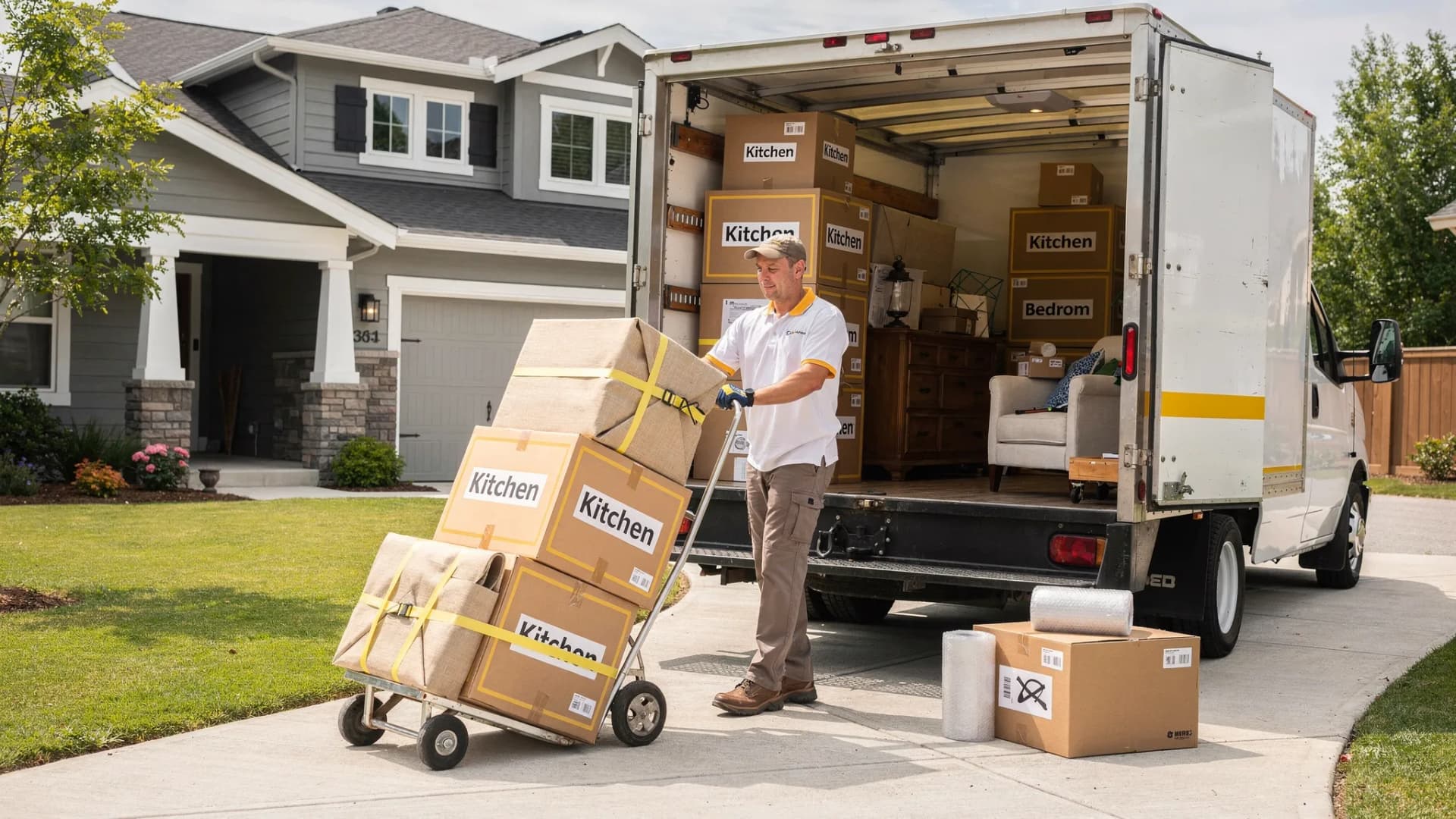
Loading boxes and furniture onto the truck
Standard furniture protection (commonly moving blankets, stretch wrap, basic padding)
Transportation to the new address
Unloading and placing items into the correct rooms
For long-distance moves, transportation and scheduling are often more complex, and the estimate should clearly state pickup and delivery windows.
4) Basic equipment for safe handling
Professional movers generally arrive with the essentials to move safely and efficiently, such as dollies/hand trucks, straps, and basic tools for straightforward disassembly (for example removing table legs or bed frames) when included in scope.
What often costs extra (and why)
A pack-and-move quote becomes expensive when the scope quietly expands. The add-ons below are common and legitimate, but they should be anticipated and documented.
Packing materials (sometimes included, often itemized)
Packing labor and packing materials are not the same thing. Many movers charge separately for materials, especially on larger homes.
If you want a clean comparison between quotes, ask each company whether materials are included, capped, or billed based on actual usage.
Fragile-only packing, specialty packing, and custom crating
These services typically cost more because they increase time and risk. Examples include:
Fine art, mirrors, glass tabletops
China cabinets, crystal, collectible sets
Large TVs (especially if you want TV boxing)
Musical instruments
High-value items requiring custom protection
If a quote says “packing included” but does not define the fragile/specialty rules, that’s a common source of misunderstanding.
Furniture disassembly and reassembly (when it’s not “standard”)
Some disassembly is quick and expected, but complex items can add labor time, for example:
Sectionals that need partial breakdown
Wall-mounted furniture (that you remove beforehand)
Large or intricate bed frames
Modular desks or commercial workstations
The key is not whether movers can do it, but whether it’s included in the quote or billed as additional labor.
Accessorial charges (stairs, long carry, elevators, shuttles)
Access and building logistics are among the biggest drivers of “costs more” on pack-and-move jobs.
Common access-related extras include:
Stairs (multiple flights)
Long carry (long distance from truck to door)
Elevator delays or required reservations
Shuttle service (if a full-size truck cannot park close)
If your building or street is difficult, request a walkthrough (virtual or in-person). Accurate access details are one of the fastest ways to prevent surprise charges.
Storage and storage-in-transit (SIT)
Storage is not automatically part of pack and move services. When it is needed, pricing depends on duration, handling, and the storage type.
If you want more control over access and timing, some people consider container-based solutions. For example, if you need a secure unit delivered to a site for longer-term storage, you can compare options like shipping containers for sale and weigh that against mover-provided storage.
Valuation coverage upgrades
Movers are typically required to offer a basic level of liability and provide options for additional protection. What you pay for depends on the valuation option you select and the declared value of your shipment.
For a reputable overview of consumer rights and moving liability basics, you can reference the FMCSA’s guidance at Protect Your Move.
Quick reference: included vs. commonly extra
Because definitions vary, the most useful approach is to treat “included” as “included in writing for your job.” Use this table as a starting point when reviewing estimates.
Service element
Often included in pack and move services
Often costs extra (or varies)
What to ask before booking
Packing labor
Yes (full or partial)
Varies by room count and fragility
“Is this full packing or partial, and which rooms/items are excluded?”
Packing materials
Sometimes
Often
“Are materials included, capped, or billed by actual usage?”
Standard furniture protection
Usually
Varies (premium protection)
“What protection is used for sofas, mattresses, wood furniture?”
Loading/unloading
Yes
Rarely
“Does the crew place items into rooms or only threshold delivery?”
Disassembly/reassembly
Sometimes
Often (complex items)
“Which items are included, and what is billed as extra labor?”
Stairs/long carry/elevator delays
Varies
Often
“What are your accessorial rules, and are they estimated upfront?”
Specialty items (piano, safe, art)
Sometimes
Often
“Do you charge by item, by weight, or by labor hours?”
Storage-in-transit
Sometimes
Often
“What are monthly rates, handling fees, and access rules?”
Valuation upgrade
Optional
Yes
“What valuation option is included, and what upgrades are available?”
What actually drives the cost of a pack-and-move job
Even before add-ons, three factors drive most pricing changes.
Volume of items (and packing time)
More items means more boxes, more materials, and more labor. Packing time can swing widely depending on how organized the home is and how fragile the contents are.
Access and building constraints
A second-floor walk-up with tight hallways can cost more than a larger home with level access and a driveway because labor slows down. With pack-and-move services, “time on site” is a major cost lever.
The move type: local vs. long-distance
Local moves are often time-based (labor hours plus truck), while long-distance moves commonly involve linehaul, weight/volume, and delivery scheduling. Even if you are buying “pack and move,” the pricing structure can differ a lot based on distance and regulations.
How to read a pack-and-move quote (so you can compare apples to apples)
When two estimates look far apart, it’s usually because they are not describing the same scope.
Confirm the estimate type
A quote should clearly state whether it is binding, non-binding, or not-to-exceed (terminology varies). If you’re unsure, ask the mover to explain what can change the final price and what cannot.
Look for scope assumptions
Many surprises come from assumptions that were never discussed, for example:
“Customer packs all small items,” but you expected full packing
“No stairs,” but there are two flights at pickup
“No specialty items,” but you have a treadmill or a large aquarium
If it’s not documented, treat it as excluded.
Identify the packing level
A pack-and-move estimate should specify at least one of the following:
Full packing (everything packed by crew)
Partial packing (specific rooms or item categories)
Fragile-only packing (kitchen, glass, artwork)
If it doesn’t, ask for the packing scope in writing.
Ask how materials are billed
Materials policies differ, and they matter. A transparent mover should be able to tell you whether they:
Include a materials allowance
Charge per box/type used
Bundle materials into a flat packing fee
Any approach can be fair, but it should be clear.
Practical ways to lower the total cost (without increasing damage risk)
You do not have to choose between “DIY everything” and “pay for full packing.” Many households save money by choosing a hybrid.
Do a partial pack strategically
Pack low-risk items yourself and let professionals handle high-risk categories (kitchen breakables, mirrors, artwork). This often reduces both time and claims risk.
Reduce volume before packing day
Decluttering lowers packing labor, materials, and truck space. Donations, junk removal, and even selling bulky items can be more cost-effective than paying to pack and ship them.
Improve access and staging
If possible, reserve elevators, secure parking, and clear pathways. Small access improvements can save meaningful labor time, especially in dense California neighborhoods where parking and walking distance can be unpredictable.
Be realistic about “last-minute” packing
Rushed packing tends to create two costs: more labor time and more breakage risk. If you are behind schedule, it can be cheaper to add professional packing than to scramble and end up with poorly protected items.
What to confirm before you sign (the short checklist)
A professional pack-and-move agreement should clearly state:
The packing level (full, partial, or fragile-only) and exclusions
Materials policy (included, capped, or itemized)
Accessorial rules (stairs, long carry, shuttle, elevators)
Specialty items and any special handling plan
Storage details if applicable (rates, handling, access)
Valuation option selected
Payment terms and timing
If any of these are vague, ask for clarification in writing before move day.
Frequently Asked Questions
Are packing materials included in pack and move services? It depends on the company and the package. Some include a materials allowance, others bill materials based on what’s used. Always ask how boxes, paper, and specialty supplies are priced.
What costs extra most often on pack and move jobs? The most common cost adders are materials, fragile or specialty packing, stairs/long carry, shuttle service, storage, and handling of specialty items like pianos or safes.
Is it cheaper to pack yourself or hire packers? Packing yourself can reduce costs, but only if you do it early and protect items correctly. Many people save money with partial packing, doing low-risk items DIY and paying pros for fragile rooms.
How do I avoid surprise charges with pack and move services? Get a written estimate that spells out packing scope, materials policy, access conditions (stairs, long carry, parking), specialty items, storage rules, and valuation. If it’s not written, treat it as not included.
Get a clear, upfront pack-and-move quote
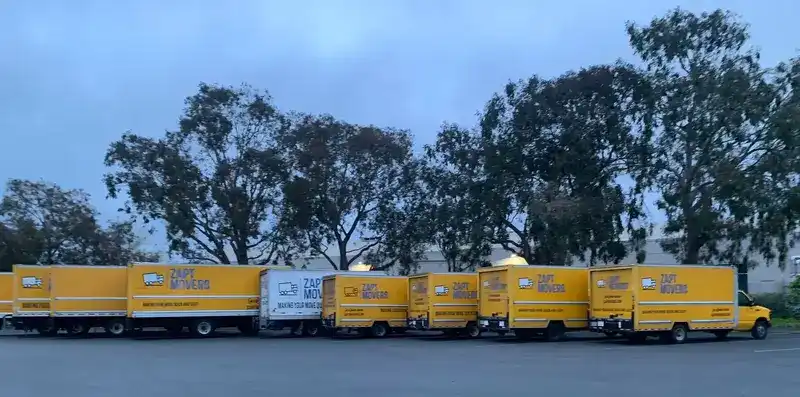
If you’re planning a move in California and want pack and move services with transparent scope and honest pricing, Zapt Movers can help you map out what’s included, what add-ons apply to your home, and how to keep the plan efficient.
Get started with a free quote from Zapt Movers and tell us upfront if you need packing, specialty item handling, long-distance coordination, or storage so we can build an estimate that matches real life, not assumptions.
Let’s Make Your Next Move Effortless and Worry-Free
Get a free, no-obligation moving quote in under 60 seconds. Our team is available 7 days a week to answer your questions and help you plan the perfect move. Call us, fill out our form, or book online — we’ll take it from there.
Let’s Make Your Next Move Effortless and Worry-Free
Get a free, no-obligation moving quote in under 60 seconds. Our team is available 7 days a week to answer your questions and help you plan the perfect move. Call us, fill out our form, or book online — we’ll take it from there.
Let’s Make Your Next Move Effortless and Worry-Free
Get a free, no-obligation moving quote in under 60 seconds. Our team is available 7 days a week to answer your questions and help you plan the perfect move. Call us, fill out our form, or book online — we’ll take it from there.