Pack and Move Services Near Me: How to Choose the Right Plan
Typing “pack and move services near me” usually means you want more than just a truck. You want a plan that matches your timeline, protects your stuff, and keeps the final price predictable.
Typing “pack and move services near me” usually means you want more than just a truck. You want a plan that matches your timeline, protects your stuff, and keeps the final price predictable.
The challenge is that “pack and move” can mean very different things depending on the company, the type of move (local vs. long-distance), and what your home or building demands. Below is a practical way to choose the right service level and compare quotes without missing the small details that cause most surprise charges.
What “pack and move services” typically include (and what varies)
Most moving companies can bundle some combination of:
Packing (materials + labor) for part of the home or the whole home
Loading, transportation, and unloading
Basic protection (moving blankets, shrink wrap, mattress bags, floor protection depending on the crew)
Basic disassembly and reassembly (often beds and simple furniture, scope varies)
Optional add-ons like storage, specialty item handling, and debris removal
Where people get burned is assuming one company’s “full service” is the same as another’s. It is not. The only thing that counts is what’s written in the estimate and the order for service.
If your move crosses state lines, the FMCSA consumer resources are a helpful baseline for what legitimate interstate movers must provide, including estimate and paperwork requirements. See FMCSA Protect Your Move.
Choose your plan by starting with three variables
Before you compare companies, decide what you actually need. Three variables do most of the work:
1) Timeline pressure
If you have a tight turnaround (lease ending, closing date, elevator reservation, job start), the right plan is the one that reduces “project management” on your side.
Packing is usually the first place timelines break, because it expands to fill the time you do not have.
2) Risk and complexity
Complexity is anything that increases the chance of damage, delays, or extra labor:
Stairs, long carries, narrow hallways
High-value or fragile items (art, antiques, glass)
Specialty items (pianos, safes, gym equipment)
Tight parking, loading docks, or elevator windows
Storage gap between move-out and move-in
More complexity usually justifies a more comprehensive plan, not because you cannot do it, but because the cost of a mistake is higher.
3) Budget predictability
Some people want the lowest possible price and can accept more DIY. Others want fewer variables and fewer decisions.
Your real goal is not “cheap vs. expensive.” It is controlling cost drivers so your final invoice matches your expectations.
The most common pack-and-move plans (and who they fit)
Use the table below to identify the plan that matches your situation, then use that plan to compare quotes apples-to-apples.
Plan type
What it usually covers
Best for
What to clarify in writing
Labor-only moving (you pack)
Loading, transport, unloading, basic protection
Studio to 2BR moves, organized households, flexible timelines
What protection is included, disassembly scope, travel time rules, stair/long-carry fees
Partial packing + moving
Packers handle kitchen, fragile items, or 1-2 rooms + full move
Families who can pack clothes/books but want pros for breakables
Exactly which rooms/items are included, materials included or billed separately
Full packing + full moving
Full-home packing, loading, transport, unloading
Tight deadlines, high-value homes, households that cannot pause life for packing
Packing timeline, crew size, materials policy, damage/claims process
Pack + move + storage
Moving plus short-term storage (warehouse or storage-in-transit)
Closing gaps, remodels, new-build delays
Storage fees, access rules, inventory method, liability/valuation while stored
White-glove / specialty handling
Crating, custom protection, specialty equipment
Art, fragile furniture, pianos, oversized items
Who performs the specialty work, crating specs, coverage limits
If you are unsure where you fit, a good rule is this: the more your move depends on a specific date working perfectly, the more you should reduce DIY variables.
Scope first, then price: how to request quotes that actually match
Most “bad moving quotes” are not scams. They are incomplete scopes.
A reliable quote starts with the mover understanding the workload. Whether you get an in-home walkthrough or a virtual walkthrough, aim to provide the same core details to every company.
The scope details that change the price the most
Addresses and access details: stairs, elevators, long carries, parking distance, loading dock rules
Inventory reality: number of bedrooms is not enough, you need big items and a rough box count
Special items: anything that needs extra labor or equipment
Packing responsibility: what you pack vs. what they pack
Dates and time windows: weekends, month-end, building reservation windows
For California moves, it is also smart to confirm the mover’s operating authority. The California Public Utilities Commission (CPUC) provides information on household goods carriers and consumer guidance: CPUC Household Goods Carriers.
Understand the estimate type before you compare numbers
Especially for long-distance moves, “estimate type” can be the difference between a stable price and a moving target. If you want to go deeper on what should appear in a professional quote, see Zapt Movers’ guide on getting an accurate estimate: Local movers quote: how to get an accurate estimate.
When paying for packing is the smarter (and sometimes cheaper) choice
DIY packing looks free, but it has two hidden costs:
Time risk: if you are not ready when the truck arrives, you can pay for waiting time, rescheduling, or extra labor.
Damage risk: weak boxes, under-filled boxes, and poorly protected fragile items are common causes of breakage.
Professional packing can be a value purchase when:
Your schedule cannot absorb setbacks
You have a lot of fragile items (kitchenware, mirrors, decor)
Your household is large enough that “nights and weekends” packing becomes a multi-week project
You need a clean, documented packing method for storage
A short checklist of questions that reveal the real plan
You do not need 30 questions. You need the few that force clarity.
Ask every mover:
Are you the carrier doing the move, or a broker? (You want to know who physically handles your belongings.)
What exactly is included in your packing service? (Which rooms, which materials, which exceptions.)
What accessorial fees could apply to my addresses? (Stairs, long carry, elevators, shuttles, parking.)
What coverage is included, and what are my valuation options?
What is the payment schedule and acceptable payment methods?
If something changes (date, elevator, extra items), how do you re-price it?
A professional company will answer these quickly and put the answers in writing.
California “near me” realities that can change your plan
In California, the building and street often matter as much as the distance.
Parking and loading constraints
Dense neighborhoods in the Bay Area and Los Angeles can turn a simple move into a long-carry job if the truck cannot get close. If you suspect parking will be an issue, raise it during the quote phase, not on moving day.
Elevator reservations and COIs
Many buildings require an elevator reservation and may ask for a certificate of insurance (COI). If you are moving into a managed building, confirm requirements early so the mover can plan crew timing and paperwork.
Timing in peak season
Summer and month-end dates book up fast and can reduce your leverage on scheduling. If you have flexibility, asking for off-peak dates is one of the cleanest ways to control cost without cutting corners.
If your move-in date is tied to construction or a new build
Sometimes your relocation schedule is dictated by a builder’s completion date. In those cases, fixed scheduling and transparent planning matter as much as moving logistics.
As an example of a fixed-price, fixed-timeline approach on the housing side, Hubley modular homes highlights how a single team and a defined schedule can reduce uncertainty when you are trying to coordinate a move-in date. Even if you are not building a home, the takeaway applies: when the date is non-negotiable, reduce dependencies and get commitments documented.
Putting it together: a simple way to pick the right plan in 15 minutes
Use this quick framework:
Step 1: Choose your service tier
Pick one primary tier from the earlier table (labor-only, partial packing, full packing, storage, specialty). Do not try to compare a labor-only quote to a full-service quote and “do the math” later. That is how hidden scope appears.
Step 2: Define your non-negotiables
Write down what must be true for the move to succeed:
Must finish same day
Must protect specific items (art, TVs, heirlooms)
Must coordinate elevators and building rules
Must fit a storage gap
Step 3: Standardize your quote request
Send every mover the same information: addresses, date range, access notes, inventory highlights, and what you want them to pack.
Step 4: Compare on total value, not just the headline price
A higher quote can be the better deal if it includes packing labor, materials, realistic access assumptions, and clear valuation options.
How Zapt Movers fits into pack-and-move planning
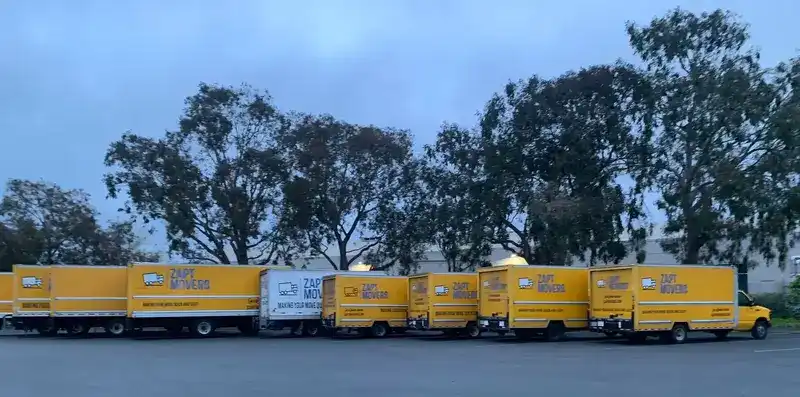
If you are planning a move in California and want a plan that matches your timeline and budget, Zapt Movers provides residential and commercial moving, long-distance moves, professional packing, storage options, and specialty item handling, with a focus on upfront honest pricing. When you request a quote, the goal should be the same as the framework above: define scope clearly, reduce surprises, and choose a service level that makes your move predictable.
Let’s Make Your Next Move Effortless and Worry-Free
Get a free, no-obligation moving quote in under 60 seconds. Our team is available 7 days a week to answer your questions and help you plan the perfect move. Call us, fill out our form, or book online — we’ll take it from there.
Let’s Make Your Next Move Effortless and Worry-Free
Get a free, no-obligation moving quote in under 60 seconds. Our team is available 7 days a week to answer your questions and help you plan the perfect move. Call us, fill out our form, or book online — we’ll take it from there.
Let’s Make Your Next Move Effortless and Worry-Free
Get a free, no-obligation moving quote in under 60 seconds. Our team is available 7 days a week to answer your questions and help you plan the perfect move. Call us, fill out our form, or book online — we’ll take it from there.